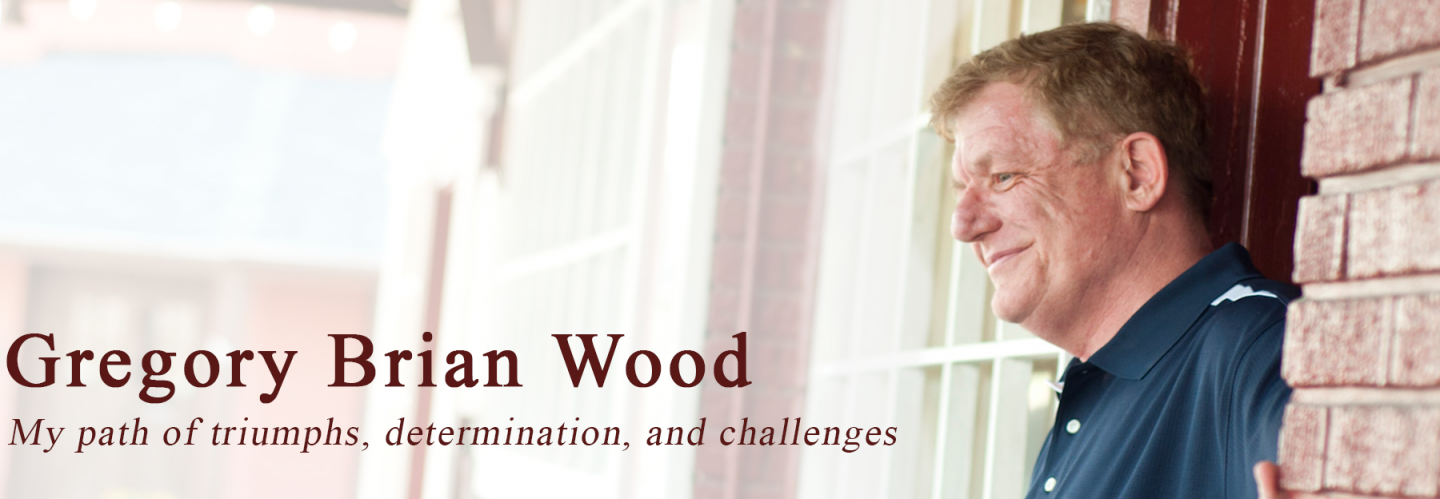
9 years ago I went to residential treatment at the Ranch for 60 days due to anxiety issues and to get a break from the pressure coming from my ex wife. A lot of what is talked about in this article in our group. The 60 days on a ranch saved my life. I did equine therapy as well. Today I make sure I take mental breaks when it is necessary. – Greg
Searches by Kelly Urban (AANE)
The Fallacy of Simplification (Psychological) In mental health and trauma processing, “just let it go” is often viewed as a toxic simplification.
The Fallacy: Assuming that letting go is a simple, conscious choice that can happen instantly.
The Harm: For individuals with trauma, ADHD, or autism, the brain may flag certain memories as “dangerous,” making it physically and neurologically difficult to stop ruminating. Telling someone to “just let it go” can be invalidating and dismissive of their actual cognitive experience.
- For individuals with Autism, ADHD, and Complex PTSD (C-PTSD), “just letting go” is physically difficult because their nervous systems are often stuck in a state of high alert. Healing involves bottom-up approaches (calming the body first) rather than just “top-down” talk therapy.
Managing Emotional Flashbacks
Emotional flashbacks in C-PTSD don’t always have a visual component; they are “time-warps” into feelings of helplessness or terror.
Identify the state: Use a script like, “I am having a flashback. My brain feels afraid, but I am safe in the present”.
Physical Grounding: Use the 5-4-3-2-1 technique (5 things you see, 4 you can touch, etc.) to reconnect with the environment.
Shock the Senses: For intense spirals, “shock” your system back to the present with ice water on your face or holding an ice cube.
Deconstruct “Eternity Thinking”: Remind yourself that while the feeling seems endless, it is a temporary physiological response that will pass.
Neuro-Affirming Therapeutic Approaches
Traditional talk therapy can sometimes be overwhelming or retraumatizing for neurodivergent individuals. Modern options include:
Eye Movement Desensitization and Reprocessing (EMDR): Helps reprocess traumatic memories by shifting focus away from the distressing imagery through bilateral stimulation (like tapping or eye movement).
Internal Family Systems (IFS): Works with different “parts” of the self, such as the “Inner Critic” or the “Inner Child,” to build self-compassion.
Somatic Therapies: Focuses on releasing stored tension in the body through movement, swaying, or restorative yoga.
Special Interest Integration: Using personal passions (e.g., Minecraft, art, or animals) as a safe “anchor” during therapy to process difficult narratives.
Managing “Stuck” Thoughts (Rumination)
ADHD and Autism can create intense mental loops. To break them:
Externalize Thoughts: Move thoughts from your head to paper or voice notes to view them objectively.
Scheduled “Worry Time”: Allocate 10–15 minutes a day specifically for worrying, then transition to a high-stimulation “fun” activity to engage the ADHD brain’s need for dopamine.
Sensory Regulation: Use weighted blankets, deep pressure, or noise-canceling headphones to reduce the sensory “noise” that often fuels emotional dysregulation.
Lifestyle Accommodations
Pacing and Rest: Recognize that “rest” is a medical necessity for a traumatized neurodivergent system, not laziness.
Environmental Tweaks: Reduce triggers by dimming lights, using social scripts for difficult interactions, or advocating for remote work.
Neuro-Affirming Communities: Seek peer support groups specifically for neurodivergent trauma survivors to combat the isolation and shame often associated with these conditions.