

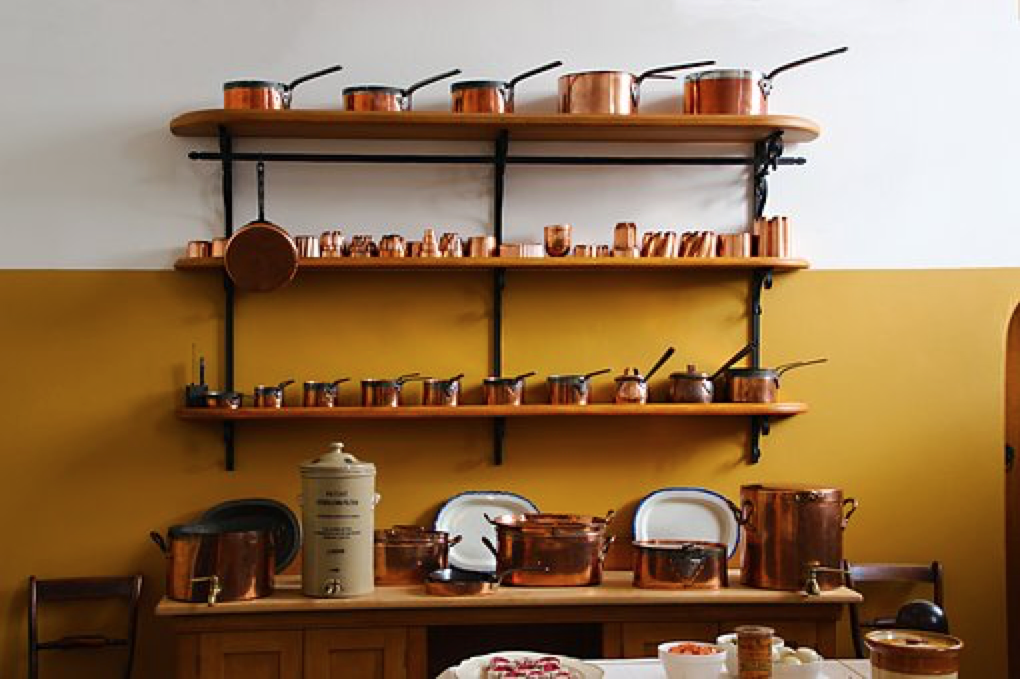
Tips for Maintaining an Orderly Home to Decrease Stress

Photo courtesy of Pixabay.com

By Justin Bennett and Gregory Brian Wood

A messy house is a major source of stress for many people. Seeing lots of unorganized stuff every day overwhelms your sensory perception with objects that cause anxiety because they’re out of place. It makes it hard to relax and, as Psychology Today notes, it can cause some people to feel guilty or embarrassed. The feeling of being overwhelmed and not knowing where to begin can cause some people to put off or avoid dealing with the problem.

Actually, it’s easy to stop clutter from invading your life by observing a few simple habits every day. Your stress level will decrease, you’ll feel more confident, and you’ll maintain a better sense of well-being. Check out the following tips, presented below by Gregory Brian Wood.

Offsite Storage
Bear in mind that decluttering can be an emotional process, especially if you have to face choices like giving away your grown kids’ childhood toys and figuring out what to do with your great-grandmother’s antique chest of drawers. A nice, thorough cleaning could breathe new life into furniture that seems out of place or simply just worn down. Do a simple search for local furniture cleaning companies to find reputable professionals. Make sure to take into account any warranties that the piece may come with, as well as choose a service that uses the appropriate tools and cleaning solutions for certain fabrics and materials.

But if there are some items you’re simply not ready to give up but don’t have space for, consider storing them in a facility outside of your home. According to Life Storage, the average monthly cost to rent a 10-by-5-foot unit ranges from $65.23 to $76.30 and up to $217.26 for a climate-controlled 10-by-20-foot unit.

Put Clothes Away
There was a good reason your mother used to nag you to keep your clothes put away and not leave them on the floor. Keeping them on hangers or folded in a drawer helps prevent clutter from developing and gives you a sense of being organized. If your clothes are dirty, put them in a clothes hamper or a bucket. You’ll feel better about your home and your life in general, and you’ll spend less time looking around for an odd sock or a belt when you need to get to work. If you’re having trouble keeping things organized, consider purchasing a closet organizer or install a closet organization system so you always know where to find things. Engaging a professional will also yield amazing results.

Get Rid of Duplicates
We all accumulate objects we don’t need. Most people have opened a birthday or Christmas present only to discover it’s something they already own. Getting rid of duplicate items is an excellent way to declutter your life. If you’ve accumulated eight pairs of tennis shoes, give any you really don’t need to Goodwill or the Salvation Army. Remember, the fewer objects you possess, the less you have to worry about.

Paper Piles
Accumulated paper is a major source of clutter and anxiety. Not knowing how to find a bill or document you really need can be upsetting. As Additude notes, you may be inclined to get rid of papers you don’t need but are afraid you’ll accidentally throw out something you’ll later need. Setting up a filing system is a good way to cope with the problem. Keep bills in one pile or drawer, official documents in another, and so forth. You can purchase a file cabinet for as little as $20. If you don’t have a filing cabinet or don’t want to purchase one, consider getting a paper-stacking tray or another option that provides a reliable system.

Kitchen Clutter
A chronically cluttered kitchen can be troubling, especially if you’re sensitive about being disorganized. Take the time to wash a dish, put it in the dishwasher, or store it in the cabinet. Run the dishwasher as soon as it’s full, and put clean dishes and glasses up right away. If you have kids, consider assigning someone the job of loading and emptying the dishwasher, or take turns.

Remember that you need to keep each room organized to defeat clutter. If clutter’s a persistent problem, you may need to examine spending habits to make sure you’re not purchasing things you really don’t need. If feelings of stress persist, incorporate brightly-colored plants or scent diffusers to create a more relaxing environment. Once things are under control, review your home periodically to make sure you’re staying on top of things.


Budget-Friendly Nutrition Tips for Kids and Parents

Photo via Pexels

This is a great article on nutrition by Justin Bennett – Greg

Nutrition is a key contributor to good mental and physical wellbeing for people of all ages. Make sure you and your kids are getting the nutrients you need. Every parent wants to raise a healthy family, but many are concerned about the cost of healthier diet options. The idea that healthy food is expensive couldn’t be further from the truth. In fact, simple meals made with vegetables, lean proteins, and whole grains are almost always cheaper than processed foods and takeout.


Whether you’re trying to feed your kids healthier meals, promote brain development and growth in an autistic child, or you need more energy to keep up with your little ones, the key to keeping your healthy lifestyle goals attainable is to focus on the process and not make drastic changes. Here are some budget-friendly tips courtesy of Gregory Brian Wood to boost your family’s nutrition!


Select Your Supplements Wisely


Taking supplements is a great way to boost the nutritional impact of your healthy diet. Some vitamins and minerals—like vitamin D, vitamin B12, omega-3 fatty acids, magnesium, and zinc—can be difficult to get from diet alone. Supporting your diet with certain vitamins can boost your immune system, enhance your cognitive health, and improve your daytime energy levels. 


But before you go out and buy a bunch of vitamins, do your research. Not all vitamins are made equal. Because the supplement industry is not regulated by the FDA, some brands can get away with listing ingredients on the label that don’t even show up in the product. 


Buy More Fresh Produce


The best way to eat healthy on a budget is to focus your shopping trips in the produce section. Stock up on a wide variety of fresh fruits and vegetables that you can turn into all kinds of healthy meals. To save even more, try to plan your meals around produce that’s in season. Fresh fruits and veggies make great snacks as well! Keep your fridge packed with veggie sticks and chopped fruit so your kids have access to low-calorie, nutrient-packed snacks all day long. 


Reduce Stress


When people feel tension in their lives, sometimes they overeat as a coping mechanism. By limiting your stress, you and your children can improve your diet. One of the easiest ways to alleviate stress is to begin a fitness routine, which is something you can do as a family or individually. Other tips include taking deep breaths, getting solid sleep, and identifying stress triggers so you can take immediate action when they occur. 


Buy Frozen Fruits and Veggies


Looking to save some time in the kitchen? Buy frozen produce! Eating Well explains that frozen fruits and vegetables are just as healthy as their fresh counterparts, and in some cases, they may contain even more vitamins and minerals. When it comes to certain vegetables, such as cauliflower, buying frozen is often the more cost-effective option. Plus, you just can’t beat the convenience of throwing a handful of frozen, chopped fruit into a smoothie on a busy morning. 


Stock Up on Whole Grains


Another key ingredient in any well-balanced diet is whole grains. Compared to refined grains, whole grains are loaded with fiber that slows digestion and helps prevent those sharp blood sugar spikes that leave you feeling tired and sluggish mid-afternoon. If you buy in bulk, whole grain pantry staples can be surprisingly affordable. Some healthy alternatives to white bread, pasta, and rice include quinoa, bulgur, rolled oats, and whole-grain bread. 


Choose Lean Proteins


Last but certainly not least, protein makes up the final pillar of a healthy diet. Protein plays numerous important roles throughout the body, including acting as a building block for our muscles and bones. Make sure your family gets enough protein without blowing your budget. 


Rich meats like steak and burgers are delicious, but they’re packed with saturated fats and can be very expensive. Instead, choose leaner proteins like chicken, fish, dairy, and beans that come with a much lower price tag. Canned tuna, for example, is an excellent source of lean protein and costs much less per pound than many other types of meat.


Prioritizing nutrition is one of the best ways to keep your family healthy all year round, but it’s only one part of the equation. Regular exercise is equally important to the health of you and your kids. 

Justin Bennett