
Two years into my marriage my wife was living in Idaho due to a calling from God. I was continuing with with the stress and anxiety issues around my marriage. I went into treatment to have a break from the stress that I was receiving from my wife. She was pressuring me to buy a house and continually nagged me about not having a job. The treatment was therapy with animals at The Ranch. I found working with animals far more rewarding and productive than I did with years of talk therapy. My favorite horse was one named Salt. We worked on boundaries. I learned how to ride a horse. I learned how to trust another person on a horse. I learned about push and pull in relationships with a mule named Albert. I lived in the Spring House, which was an all male home. I enjoyed the community and having meals together. It was nice to wake up in the morning and view the ranch next door. I never knew cattle would start talking when their food was not on time. We were exposed to adventure day, meditation,12 step meetings in town, and spiritual practice. And good country views. It was one of the best investments I made in my life. I would love to go back today for a refresher because it is very easy to fall back into old patterns. I was told I am a co-dependent in treatment. I learned about borderline personality disorder. Asbergers males do have the tendency to be in abusive relationships like I was. What attracted my ex wife to me was my natural nature of being kind. Since treatment I have had to struggle with my kind nature and prevent myself from being taken advantage of by people. It is hard to just be me some days.
Category: Support Groups
‘Autistic while black’: How autism amplifies stereotypes
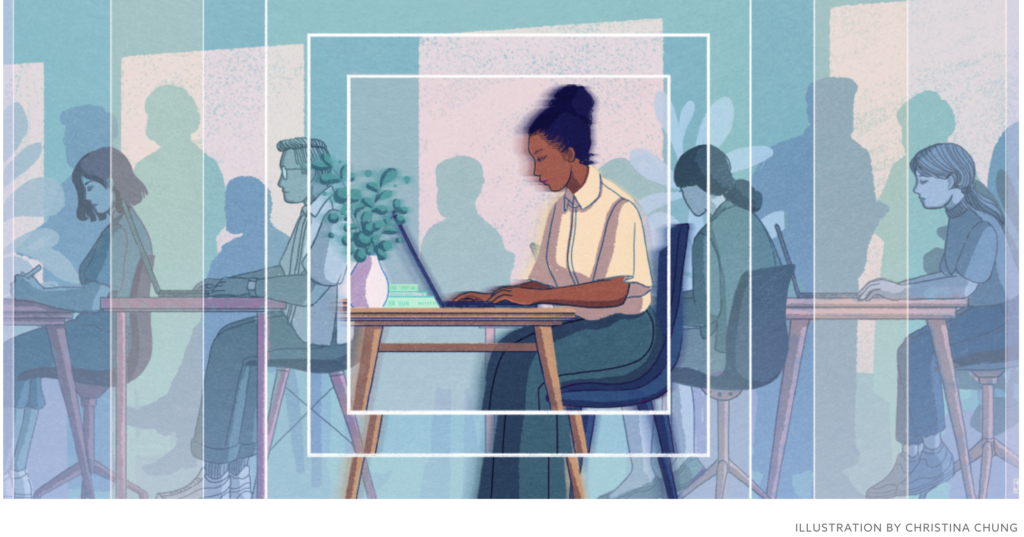 As a black woman living in the United States, I am always mindful of what others think about me, and the assumptions they may make. As a black woman with autism, I am especially aware that colleagues often see me as an ‘angry black woman,’ even though my thoughts and behaviors are the opposite of this stereotype. (I prefer to label my ethnicity as black, not African American, because not all black people are African, and the majority are not American.)
Such cultural stereotypes make it particularly dangerous to be ‘autistic while black.’ Part of the reason people are quick to stereotype me is that there is no research on middle-aged black women with autism. read more