At the time I was born there was not a lot known about how to treat hydrocephalus. The doctors did not have the shunt to make the correction when I was born. The path to finding answers started when I was six years old. In a New York City hospital it was thought I had infantile autism. At a hospital in New Jersey I had a neurological evaluation and they thought my behavior might be organic but the diagnosis was arrested hydrocephalus. As a child I had headaches in the front part of the brain. I was given medication for petit mal seizures and hyperactivity. I was turned down by the state of New Jersey for placement in a state facility for mental retardation. I ended up being placed in St. Coletta’s, a school for dealing with structure and learning difficulties at age seven. From age fifteen to age 53 I had various evaluations and there seemed to be a common thread in the results of all the tests:
Below level in non verbal functioning, withdrawn emotionally from my environment, limited knowledge of practical facts, poor coordination, limited socially, limited in coping with stress, impaired retention of information, below average ability in dealing with new tasks and making quick decisions.The diagnosis was depression NOS, anxiety NOS, and cognitive disorder NOS. The bottom line is missing nonverbal cues causes me to have ineffective behaviors.
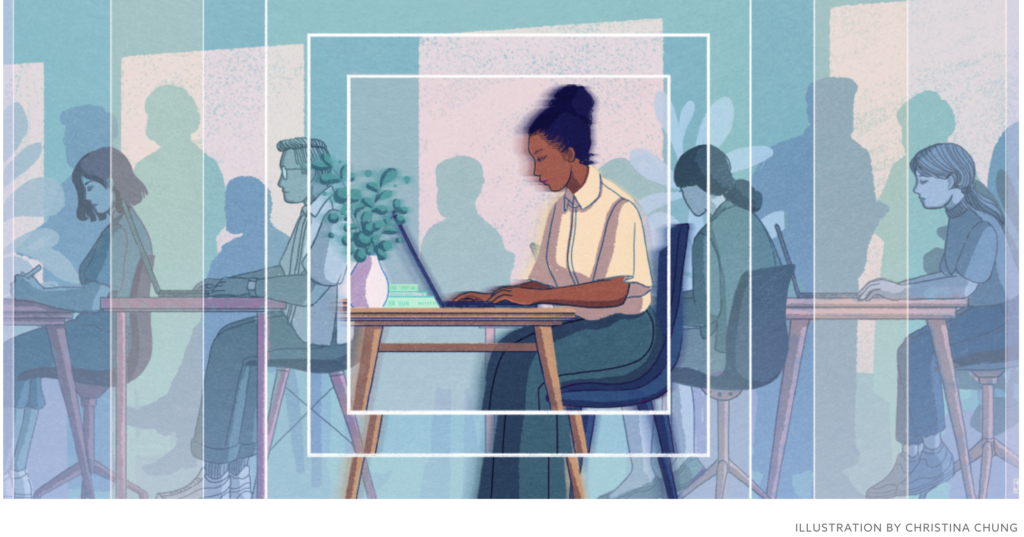 As a black woman living in the United States, I am always mindful of what others think about me, and the assumptions they may make. As a black woman with autism, I am especially aware that colleagues often see me as an ‘angry black woman,’ even though my thoughts and behaviors are the opposite of this stereotype. (I prefer to label my ethnicity as black, not African American, because not all black people are African, and the majority are not American.)